Filed under linux …
The CPE router development is getting more aligned towards building the router middleware with open standards and open source software, to ensure the router stack to be vendor and SoC agnostic. The preference towards community software over the custom SDKs becoming more vital and the traction to use the Vanilla or upstream router stack for SoC’s is the solution. Zilogic is also completely aligned with the same goal and looking for prospects to explore towards vendor agnostic and opensource aligned router stacks. As part of this goal we have started with the vanilla Openwrt with more production level support for customer needs. This roadmap initially would start with Qualcomm’s IPQ based WiFi SoCs considering our long term association with Qualcomm on router stack development.
As we all know, binaries are the final executable form of software after compilation. They are essential for:
-
Booting an operating system
-
Firmware updates
-
Application execution
-
Device configuration.
Without a proper storage and retrieval system, managing these binaries becomes complex and error-prone.
This article introduces the Flattened Image Tree (FIT) for multi-component files, which is a de facto standard used in Linux kernel booting in ARM-based systems.
In any software project, defects are inevitable and requires debugging to root cause it, and this eventually leads to a fix. The key lies in understanding the issue, analyzing it, and choosing the right approach to resolve it. Debugging issues may seem overwhelming at first, but with a clear understanding of the problem and the right tools, the process becomes more manageable.
This article explores the debugging sequence for common issues encountered while working with the Linux WiFi stack.
For an Linux based In-Vehicle-Infotainment (IVI) platform, Client expected us reduce the 22 Sec boot-time of the HMI, and get the Rear View Camera to be coming up within 4 Sec and the HMI component to be up by 8 Sec.
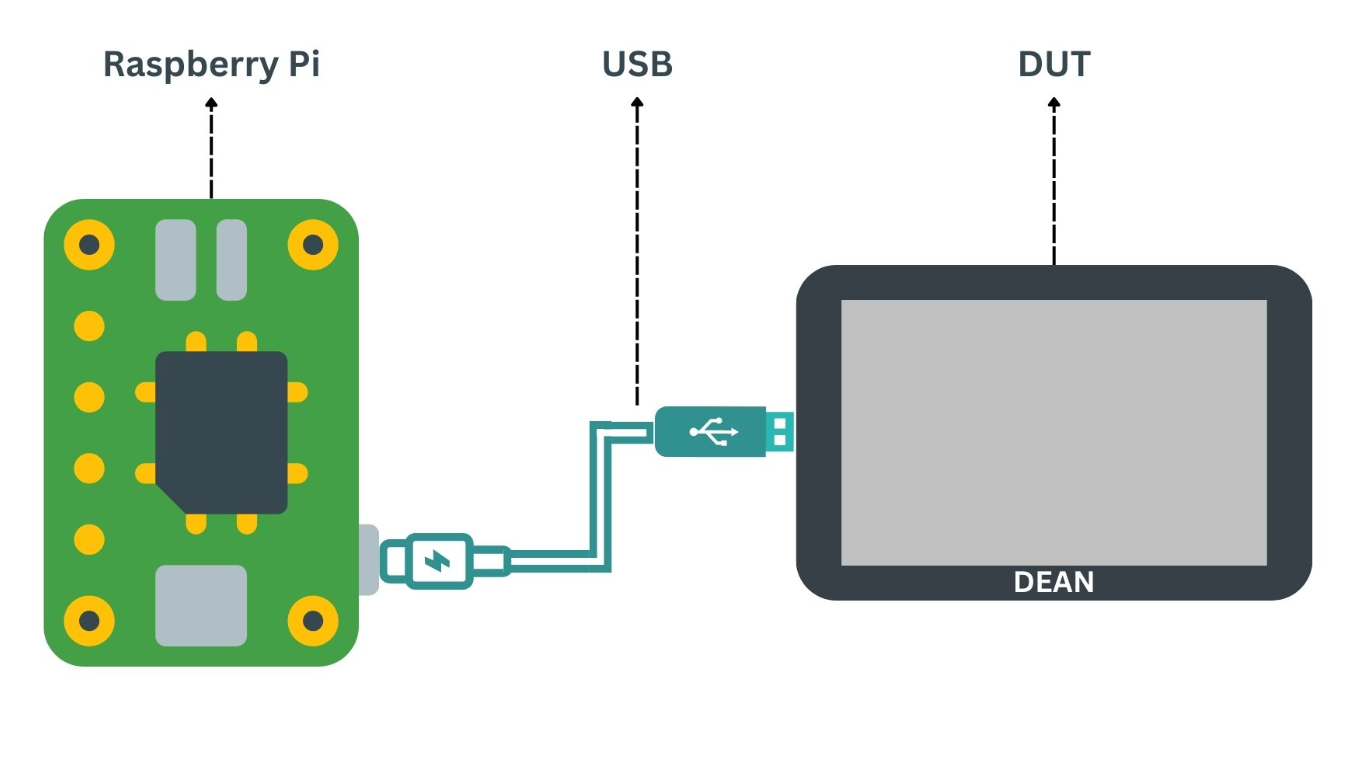
Modern vehicles are equipped with complex infotainment systems that rely on Touch Screens for user interaction and control. Testing the functionality of these HIDs is crucial to ensure a seamless user experience. However, manual testing can be time-consuming, error-prone, and limited in test coverage.
This article tries to brief the purpose of embedded Linux build systems and introduction to few of the popular ones.
To develop a Linux based embedded systems, it is required to compile the bootloader, kernel, filesystem and applications using script files using custom build procedures. An Embedded Linux Build System refers to the the tools and the environment for building the software packages for a particular board/machine.
Kivy is a Python-based open-source library for writing GUI applications, for touch-screen based systems. Kivy supports both desktop environments and mobile operating systems like Android and iOS. In our previous article, we talked about porting Kivy to Yocto, on the Colibri T-20. In this article, we demonstrate what Kivy features make it suitable for building UI for handhelds, with the case study of a barcode based asset tracker.
Linux is the most popular operating system in embedded devices, it is being used in various products including hand-helds, medical and Industrial HMIs devices. When it comes to natural user interface, people tend to choose the Android framework, but Android, is too heavy for buiding just a HMI. A popular alternative is the Python based Kivy.
When working with Linux based embedded systems it is essential to cross compile applications to the required target architecture. It is necessary to understand how packages are built, and how the build can be customized to build applications for Linux based embedded systems. This article will be a starting point for discussing about embedded Linux build systems, like Yocto.
Writing good device driver codes is still challenging for many embedded application programmers. Even though sufficient documentation is available, many still find it hard to understand what are the Do’s and Dont’s for writing drivers. One of the reason for this is that, Unlike application programming, learning to …
This article is about Linux kernel porting, and other related terms like flashing and bring-up. The terms are generally used incorrectly. Through this article I hope to give clear definition of each term and how they relate to one another.
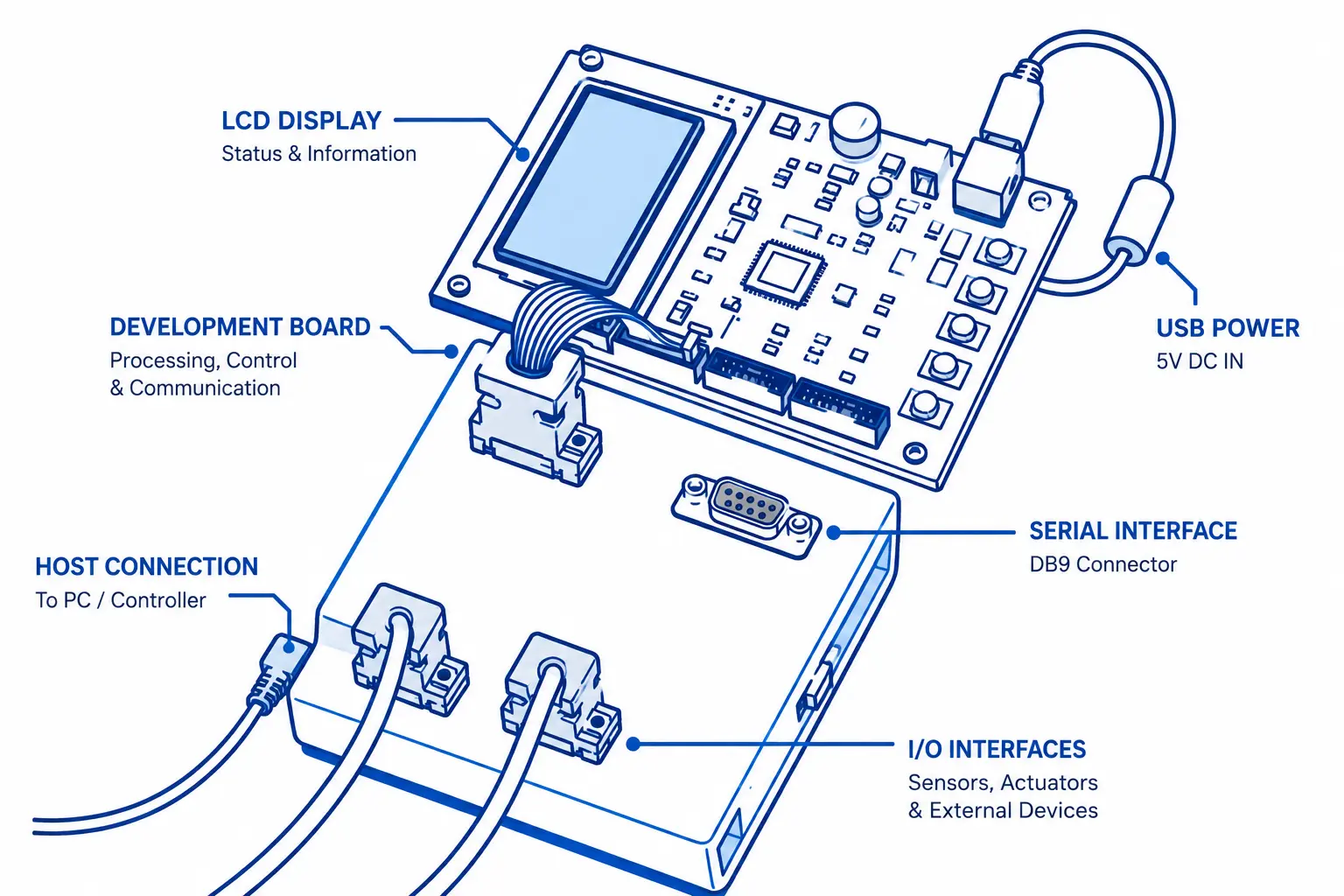
During development and testing of embedded systems, the serial port is used for communicating with the host. This applies to firmware based embedded systems or Linux based embedded systems. But laptops and desktops today generally do not have a serial port. At Zilogic, we hit on this problem every time we go out for a corporate training.