Filed under case-study

case-study,  wifi
Case Study: Elevate WDS Testing with Pitstop

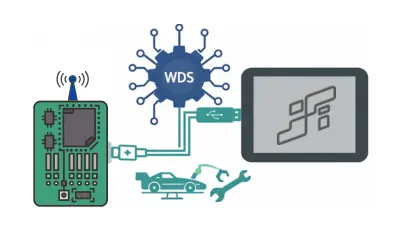
Wireless Distribution System (WDS) is a mechanism that creates 802.11 frames with a 4-address format, and WDS mode is present mainly in Wireless Driver of OpenWRT. WDS mode is required for creating a network connection for larger complex environments that deploy multiple APs with advanced capabilities, which are essential for robust, scalable, and high-performance wireless network connectivity over a wireless link between the access point and the repeater.

Read More ➠
case-study,  firmware,  c-lang
Case Study: SOME/IP Implementation on FreeRTOS

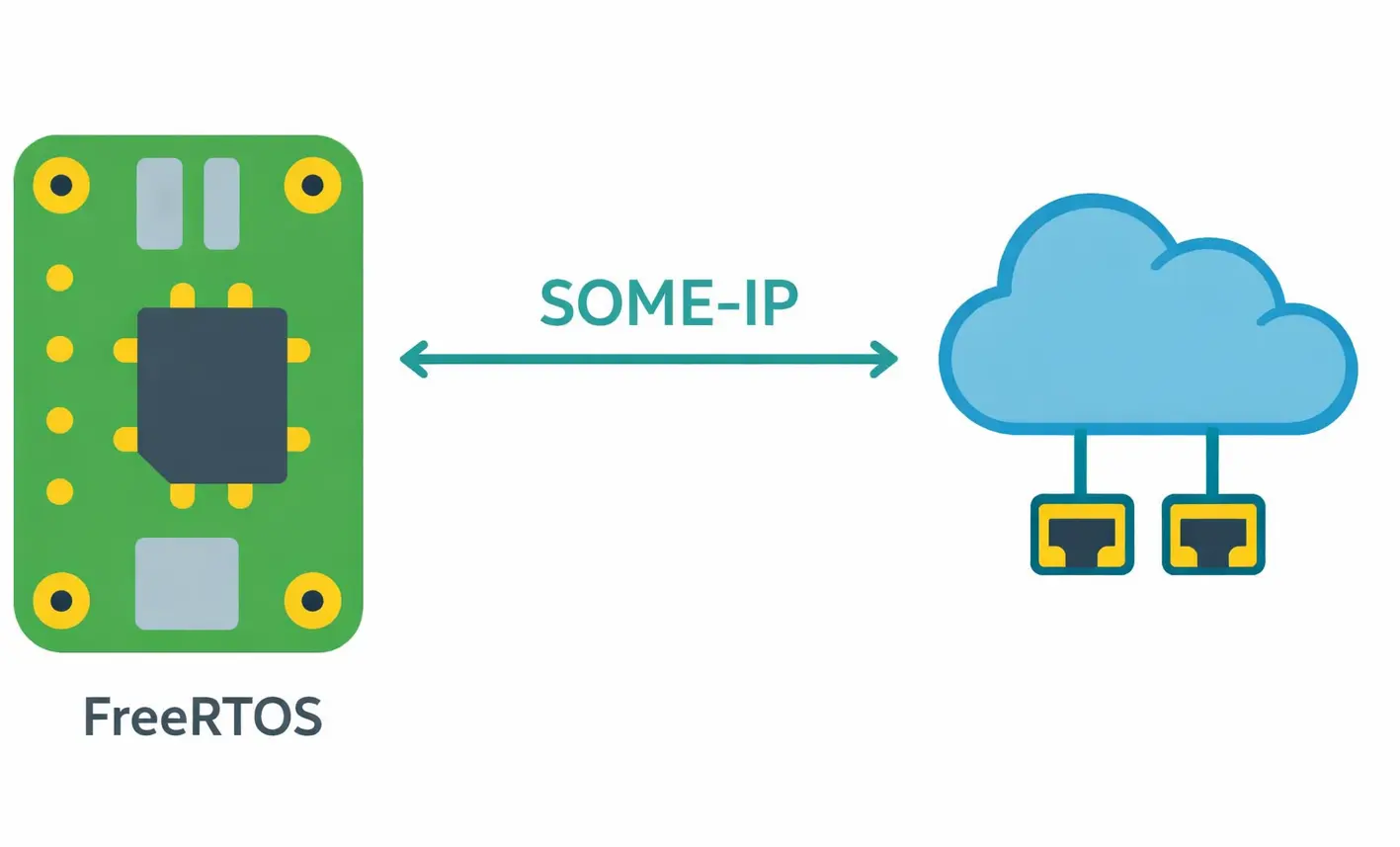
SOME/IP is an automotive protocol used for communication between vehicle ECUs. It is an application layer protocol, used in automotive ethernet.

Communication is necessary between between sensors, actuators and control units within a vehicle. These were acheived by using CAN bus. With advancement in technology, automotive systems needed mechanism for transfering large amounts of data for applications like camera based driver assistance systems, in-vehicle entertainment, software upgrades, etc. CAN bus was primarily designed for low bandwidth applications and hence these new requirements could not be accommodated with CAN.

Read More ➠
case-study,  tcpip,  autosar
Case Study: Implementation of AUTOSAR TcpIp

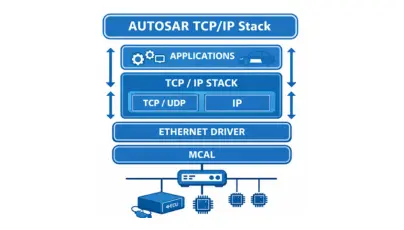
AUTOSAR is being the prominent talk of the automotive industry in the last decade. AUTOSAR is known for its flexible design and scalability, among various other advantages. This case study discusses about implementation of one such AUTOSAR module, TcpIp. The implementation approach, challenges faced are described further.

Read More ➠
wireless,  case-study,  firmware
Case Study: LoRaWAN FUOTA

LoRaWAN on the other hand, is a wireless communication protocol, built on top of LoRa physical layer and designed for long-range, low-power applications such as Internet of Things (IoT) devices. LoRaWAN support 3 different operating modes: Class A, Class B, and Class C. The operating modes determines the communication behavior and power consumption characteristics of LoRaWAN devices.

Read More ➠
bsp,  case-study,  linux
Case Study: HMI Boot time reduction

For an Linux based In-Vehicle-Infotainment (IVI) platform, Client expected us reduce the 22 Sec boot-time of the HMI, and get the Rear View Camera to be coming up within 4 Sec and the HMI component to be up by 8 Sec.

Read More ➠
case-study,  hid,  linux
Case Study: Touch Input Automation

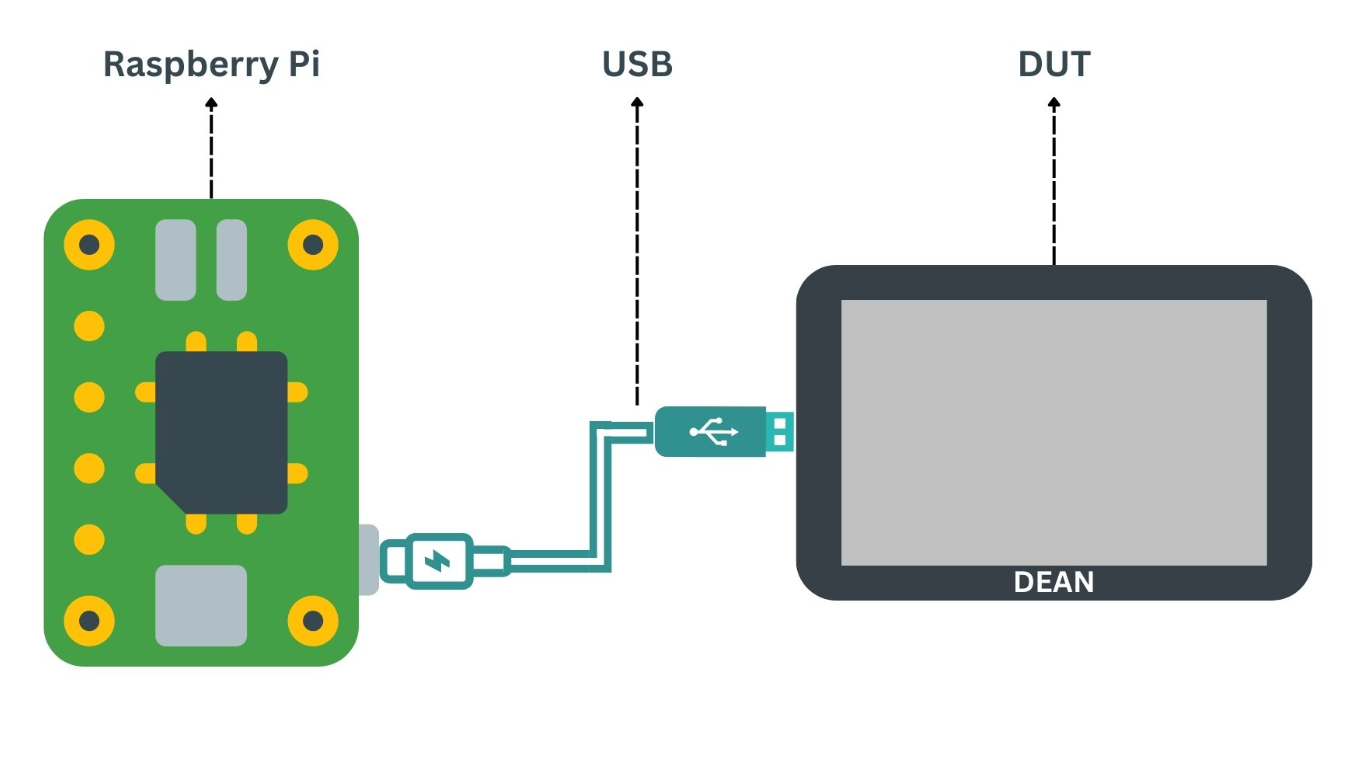
Modern vehicles are equipped with complex infotainment systems that rely on Touch Screens for user interaction and control. Testing the functionality of these HIDs is crucial to ensure a seamless user experience. However, manual testing can be time-consuming, error-prone, and limited in test coverage.

Read More ➠
case-study,  android
Case Study: Industrial Equipment Monitoring

The hardware platform was based on an ESP32 board. The ESP32 board queries the existing system through a SPI base command interface, and makes the data available over JSON-RPC interface. The mobile application runing on iPhone / Android mobile, queries the data periodically over the JSON-RPC interface, and displays it on the mobile application interface, in a format that is convenient for the user.

Read More ➠
case-study
Case Study: Automated Blood Tube Labeler

Human errors can be catastrophic in a diagnostics lab environment. One potential cause of human error, would be mis-labelling or improper labelling a blood sample collected from a patient. The Automated Blood Tube Labeler is a lab equipment designed to reduce the possibility of human errors, when collecting blood samples.

Read More ➠
web,  case-study,  boot
Case Study: App Upgrade Bootloader

A board is based on the STM32F4 series microcontroller. The customer wanted a provision to update the application image through the Ethernet interface. The application image should be accepted by the board only if its from an authorized source, so that unauthorized update is prohibited.

Read More ➠
web,  case-study,  boot
Case Study: Boot To Web App

This case-study involves, booting all the lab computers over the network, with a Linux kernel and a minimal root filesystem image, using PXE boot. This way each computer did not have to be individually setup. The Tiny Core Linux distribution was used to create a minimal filesystem image, containing the firefox browser.

Read More ➠